I never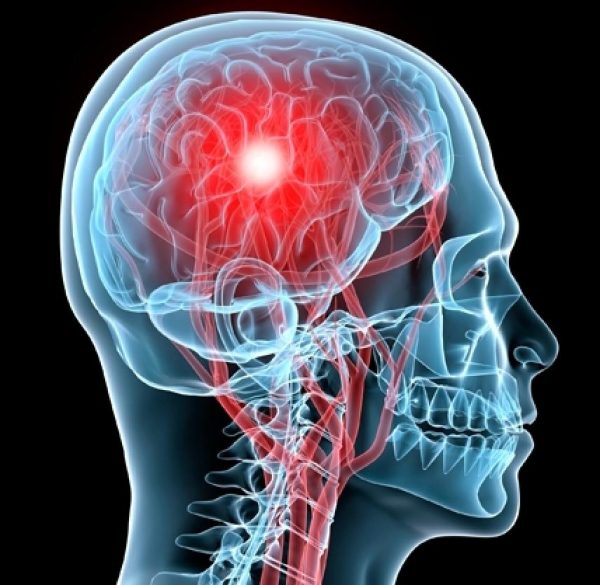 expected a soccer ball to change the way I see high school sports safety. It was just another afternoon at flag football practice, but when a soccer team started shooting balls on the same field, one stray kick hit me in the head. The sudden impact left me dizzy, disoriented, and ultimately diagnosed with a concussion. That unexpected moment made me realize how little control we sometimes have over the risks we face as young athletes.
The Illinois High School Athletic Association (IHSA) requires immediate removal of an athlete with a suspected concussion and mandates that they cannot return to play until cleared by a healthcare professional following established protocols. Coaches must complete concussion management training and ensure athletes who have been removed are not returned to participation until they meet the school’s Return-to-Play (RTP) protocols.
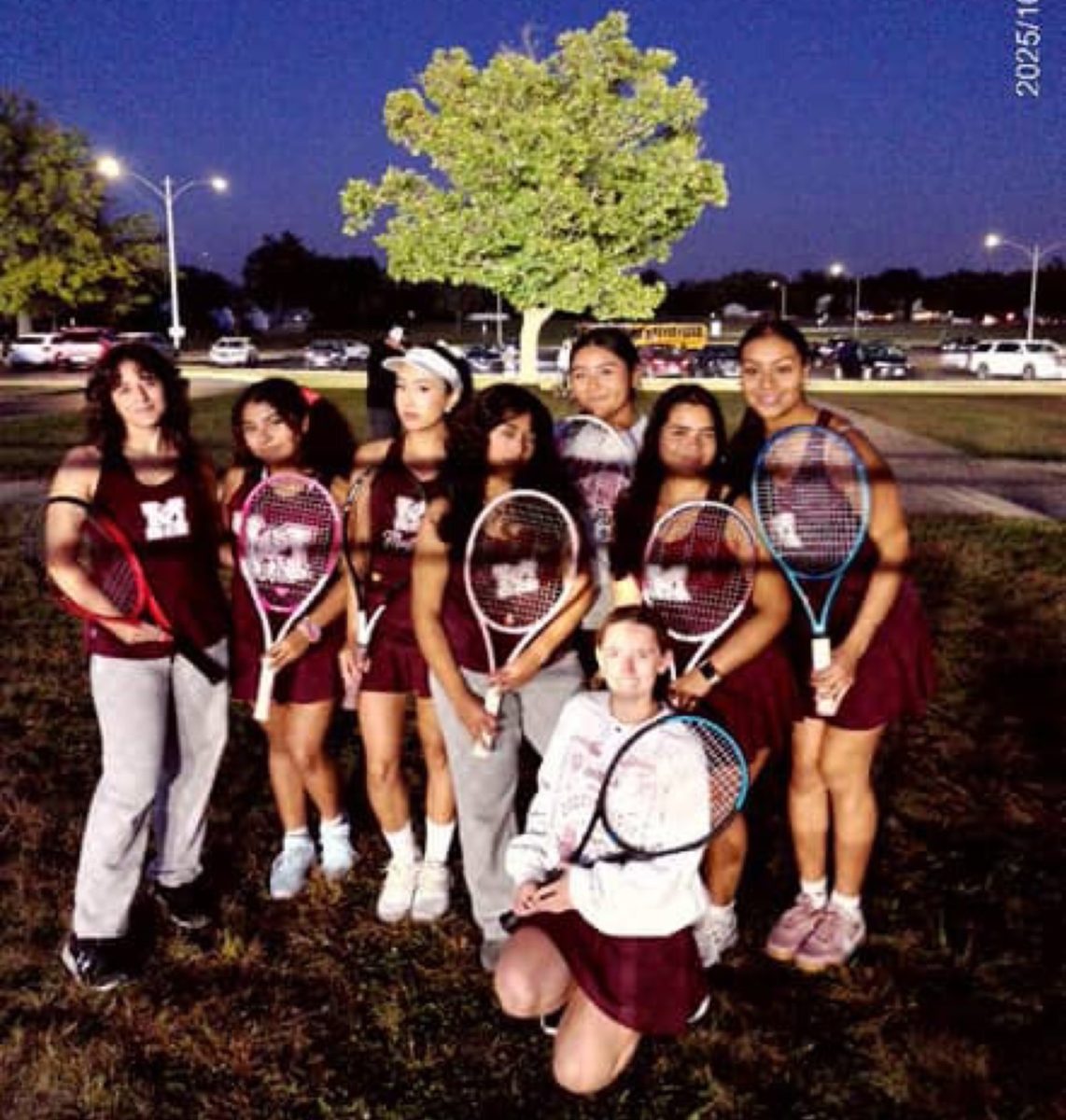
Missing half of my flag football season was heartbreaking. With a month wasted I felt stuck watching from the sidelines, knowing I couldn’t give my all or be there for my team. The days with and even after my concussion were rough- constant headaches, dizziness, blurry vision, and this overwhelming tiredness that never seemed to go away. Even simple things like focusing in class became hard. It was frustrating feeling like my body and mind weren’t my own. Mainly, i had to rest and stay away from bright lights, even as little as a phone screen. All physical activity was prohibited so that meant no gym class in school either. I had checkups back-to-back what felt like every week. I felt defeated. I had to attend practice like normal, but only to check in with an athletic trainer. Everyday i came face to face with a white paper that had a big checklist of concussion symptoms. “On a scale of 1-10, put a number next to the box following the question on how bad you feel,” that’s what i heard everyday coming into the training office. With a lot of rest, my symptom severity started to get checked at a low rate, “We can get started with a process called the RTP tomorrow if you return with a paper signed by a parent and symptoms are at all 0’s” the athletic trainer stated. The goal was to minimize the risk of getting re-inured and make sure i was 100% ready to preform my sport again. Little by little, through workouts and training, I started to rebuild my strength and confidence. The RTP process was 3 days, it was a mix of cardio up and down stairs-no breaks, catching and throwing drills, small workouts like: pushups, squats, jumping jacks, sit ups, and footwork drills. After those three days i was officially signed off to be able to return to play. Getting back on the field felt like a victory, not just for my body, but for my patience and determination.
Luis Manuel Castanon, a J. Sterling Morton High School coach, who currently teaches two sports – Girls Flag Football in the fall, which he’s coached for four years, and Girls Rugby in the spring, where he’ll be entering his fifth year – gave his input on concussions firsthand. “I have had multiple players diagnosed with concussions. There have been mostly mild concussions, meaning that the injury was not serious enough to be taken to the emergency room. My experience with concussions will always be more on the concerned side. I will always stop everything and check in with the student athlete, especially because I myself have had concussions,” he stated.
According to the central Illinois study Illinois Experts (2009-2023), There were 4,360 student-athletes studied, of whom 407 had at least one sport-related concussion. The CDC’s HEADS UP data page reports that about 7 in 10 emergency department visits for sports- and recreation-related traumatic brain injuries (TBIs) or concussions involve children under 17. Boys have roughly twice the rate of these injuries as girls, but in sports with the same rules, such as soccer and basketball, girls have a higher risk of concussion and often experience more severe and longer-lasting symptoms. The sports with the highest concussion rates among youth and high school athletes are, in order: boys’ football, girls’ soccer, boys’ lacrosse, boys’ ice hockey, boys’ wrestling, girls’ lacrosse, girls’ field hockey, girls’ basketball, boys’ soccer, and girls’ softball. Most concussions result from collisions between athletes, though causes vary by sport—for example, tackling in football, heading the ball in soccer, and contact with equipment in field hockey and softball. These findings highlight that concussions are common in youth sports and that prevention efforts—such as improving safety techniques, limiting risky play, and ensuring access to medical staff—are essential to protect young athletes.