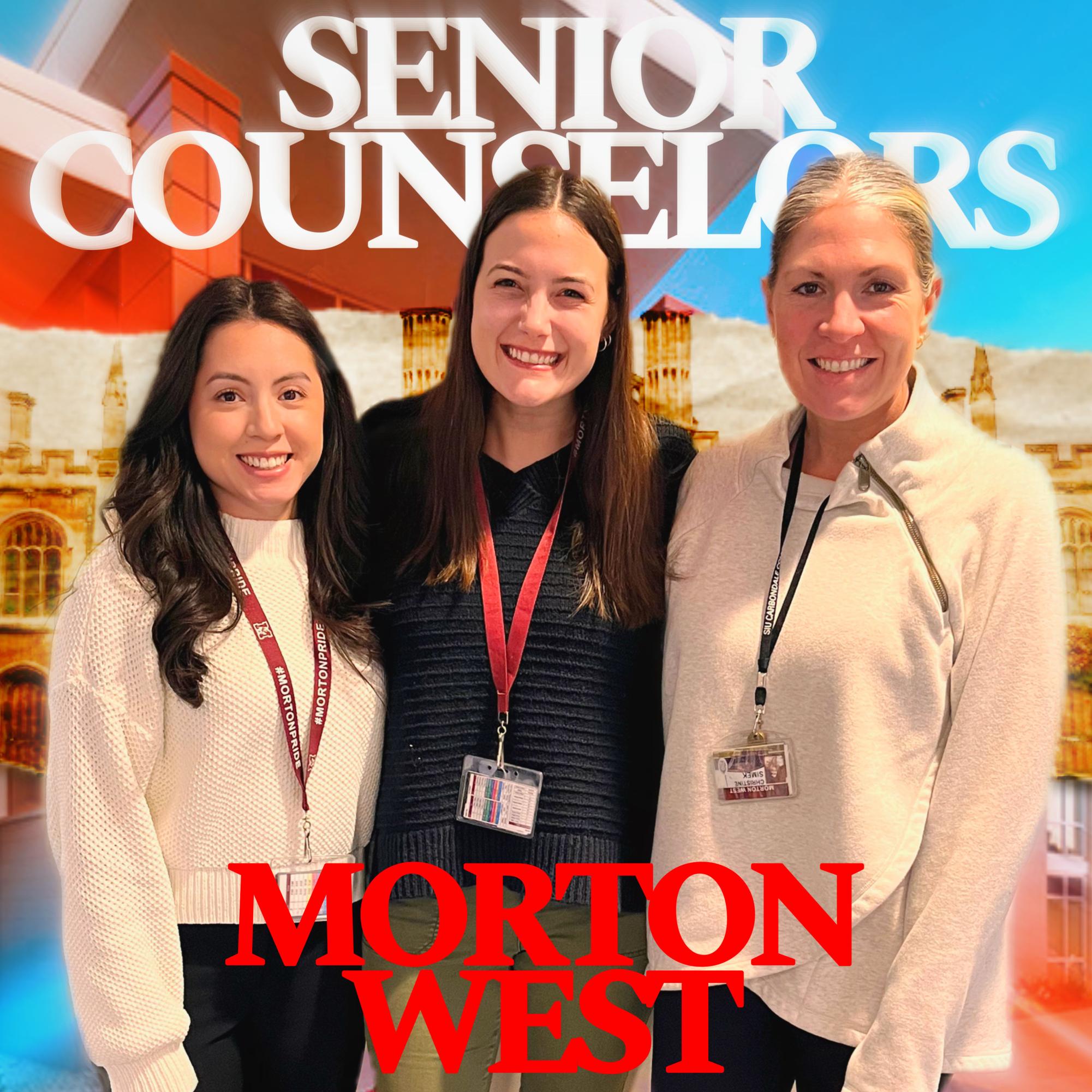
As the Early Action deadline arrives this November 2025, students across Morton West are reflecting on months of drafting essays, juggling deadlines, and anxiously awaiting decisions. But behind every transcript and statement, counselors play a huge role in guiding students through one of the most nerve-wracking milestones of their academic journey. Come and take a look back at this year’s college application process, and hear from the senior counselors Bianca Cahue, Chris Simek, and Maria Chemello, who weigh in on what made this cycle challenging, hopeful, and rewarding.
According to Chemello, the senior counseling department supports most seniors, noting, “We typically help almost 75% of our [senior] students.” She mentioned that each of the senior counselors has about 275 seniors on their caseload. About 75% of their students apply to college–whether a four-year, two-year, or community college– while the other 25% usually go the trade route, workforce, or military pathways, each requiring its own set of steps and planning.
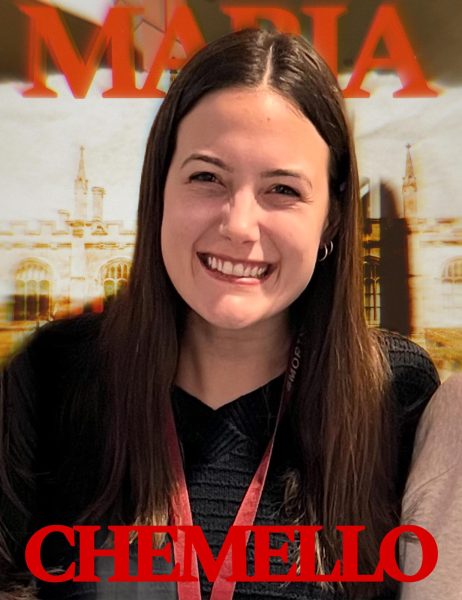
The college application journey is complex and evolving, requiring students to manage new platforms and unfamiliar requirements. Cahue reflected on the process, saying, “The process is a long one,” emphasizing that people often underestimate how many different steps come before submitting an application. Contrary to common belief, the process extends well beyond the fall months, requiring sustained support and guidance. She elaborated by adding, “It’s really a start-to-finish process because at the beginning, a lot of students are confused [about] how to start, especially this year with SchooLinks and Common App.” She highlighted that one of the most significant hurdles for students is simply understanding the structure of Common App. With so many sections, such as grades reporting, parent information, background, etc, the platform can be overwhelming at first. However, she emphasized that once students get the hang of the application, it will be a breeze for them to complete.
For many Morton West seniors, applying to college extends beyond typical academic stress. Chemello shared that one of the biggest challenges students face is that many of them are first-generation college students, and they don’t always have the support or knowledge at home to help them apply to colleges. She explained that, “It’s really on us and the College and Career Center to walk them through it,” highlighting the responsibility counselors feel when helping students navigate unfamiliar tasks. She added that this uncertainty can be daunting for both students and families, noting, “It can be intimidating–‘I’ve never done this before, my parents have never done this before.'” Counselors often find themselves helping not just with applications but also guiding students and parents when it comes to FAFSA, financial aid, scholarships, and preparing them for what next year will look like. Also, according to her, balancing managing so many students while still giving each one personal attention is challenging, especially with only seniors this year. “It’s a large number of students we need to work with, which is why we started college workshops twice a week during all lunch hours.” She indicated that college workshops allow them to do more large-group counseling and advising, because most of the time, students have the same questions, “Being able to target all of them together, while still tailoring the process to what they personally want to pursue, has been very beneficial this year for us.” she stated.
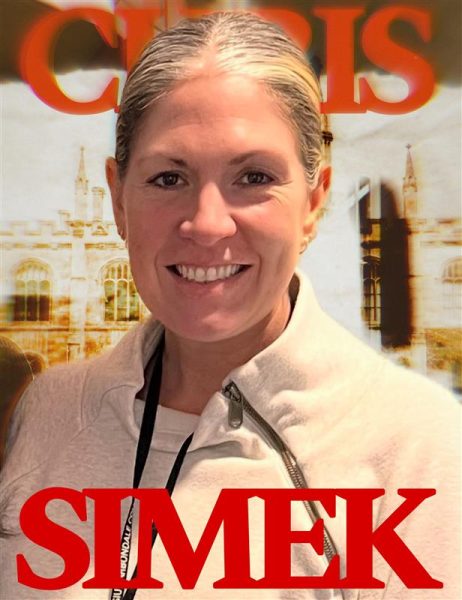
Both counselors also confronted lingering misconceptions around college applications. Many students believe applying to as many schools as possible increases their odds, but Chemello addressed that it’s about creating a good application that represents the student and applying to places they actually see themself going, “It is good to have a balance–reach schools, target schools, and likely schools–but you don’t need to apply to the maximum number of schools.” she said. Cahue agreed, pointing out that the students lose sight of that idea because they are enticed by the name of the school and not for the betterment of their major. She explained that “A lot of students also get hung up on big college names,” and emphasized that major-specific program strength, academic environment, and overall fit should outweigh prestige when building a college list.
When discussing timelines, Chemello suggested that everything depends because college deadlines vary a lot. “The November 1 deadline gives the best consideration for admission and merit scholarships, which is why we push students to aim for it. But that’s not the case for everyone. If students are aiming for November 1, they should start in September.” To help students prepare early, counselors visit English classes, do presentations, start workshops, and get them writing early, before fall becomes overwhelming for students. She added, “You don’t want to rush something this important. Admissions officers may only spend 10–15 minutes on your application, so you want it to be a strong reflection of who you are. Rushed work is never ideal, especially for college applications,” she underscored.
The combination of being involved in extracurricular activities, taking challenging classes, and writing a compelling essay matters to colleges as well. Cahue explained, “Extracurriculars and personal statements matter because colleges review your application holistically.” She mentioned that colleges look at students’ capabilities–whether they challenge themselves with AP or honors classes, or whether they were involved in activities outside or inside school. But she strongly emphasized that being able to write a cohesive and persuasive essay matters the most.
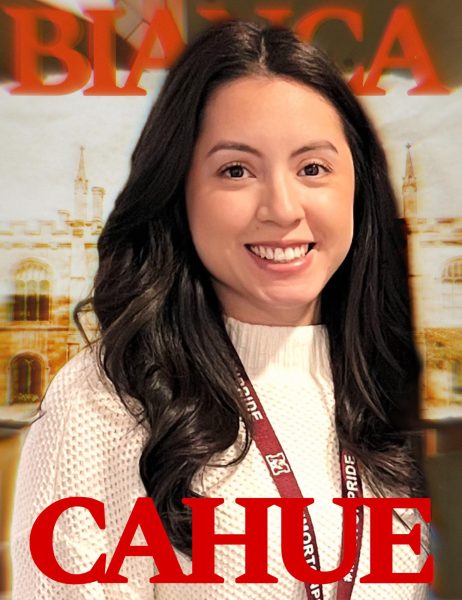
The counselors also unveiled the most rewarding part of helping students through the college application process. Chemello described, “Hearing that they got accepted into their dream schools, seeing the scholarships they earn, and walking them through the financial aid process are the most rewarding part,” mentioning that it’s going to be heartwarming seeing the students cross the stage at the end of the year after all the hard work and determination they poured throughout their journey as a Morton West student. Cahue added that seeing students exhilarated with the outcome of their hard work feels special for her, “Right now is my favorite time because students are getting accepted, and they come to us saying, ‘Guess what?!’ Especially students with lower GPAs who didn’t think they’d get in–seeing their excitement is the best part.”
The counselors stressed that students should approach their post-secondary choices with intention and openness. “The advice I give to students starting the application process is: do your research,” Chemello said. “It can be overwhelming, but there’s so much support here. A lot of students go based on the names of universities they’ve heard of, but there are so many schools that could be the best fit for what you want to study. Look beyond the familiar ones. Maybe the perfect program is out of state–you won’t know unless you research.” Cahue echoed that sentiment, reminding students that “everyone has their own path,” adding that whether it’s a trade program, the military, an apprenticeship, or college, “it’s about what’s best for you.”
Despite the pressure of application season, Chemello said students are never navigating it alone. “They have so much support… We’ll help them through the whole process. They got this!” Cahue added that uncertainty shouldn’t stop anyone from applying. “They’re going to figure it out–maybe not right away, but it all comes together, and they have a ton of support.” For those worried they’re behind, Chemello reminded students that timing isn’t everything. “It’s never too late. That’s why we’re here–to support them in whatever they choose.” And whether the path is college, a trade, or the military, Cahue said the goal remains the same. “If it’s not college, that’s okay. We’re here to help them find what’s best for them before they graduate.”
In the end, college applications are just one chapter in a much bigger story. The countless hours of work, reflection, and resilience have already shown what the seniors are capable of. No matter where they end up, they are stepping into the future with bravery, support, and confidence they’ve earned every opportunity ahead. Don’t be afraid to take what you think is uncertain; you will do great.